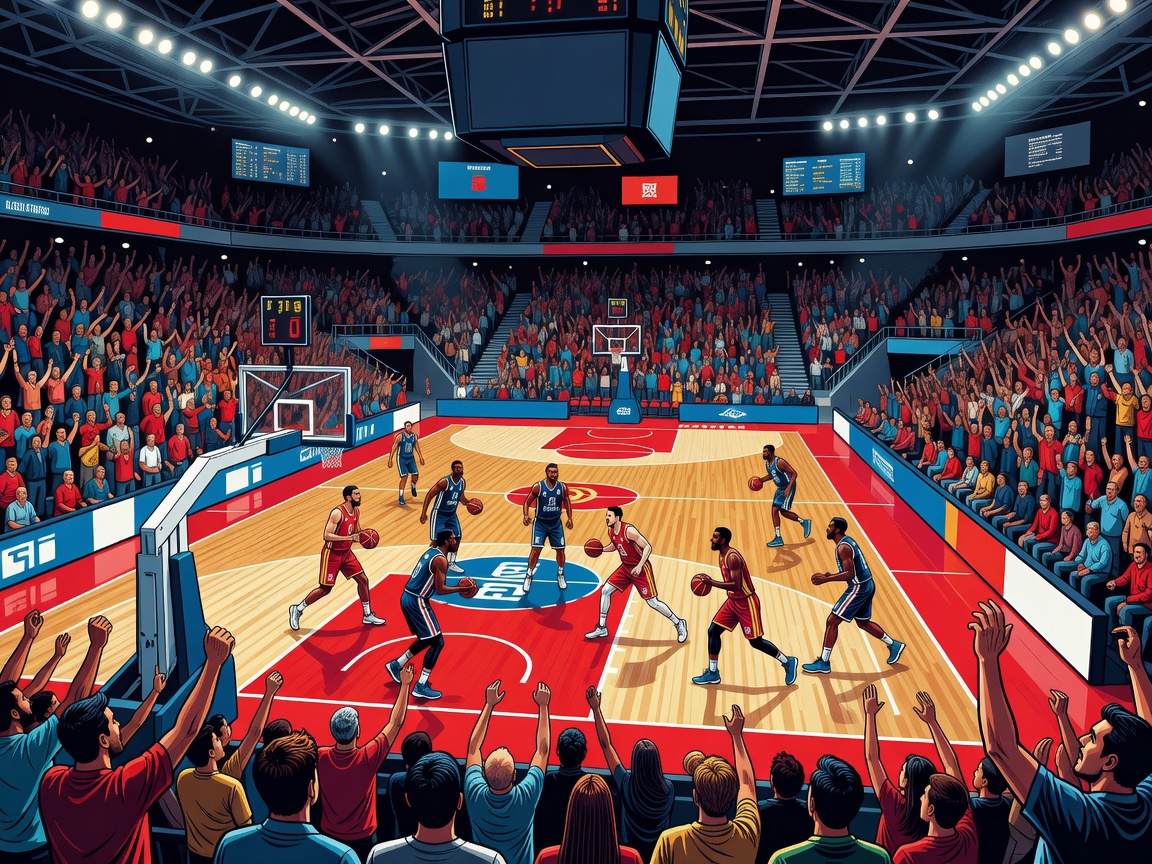
Why choose EuroLeague for an October trip?
Indoor basketball offers a compact evening: no exposed terrace, no sprawling roadside route, and a game played close to a crowd that can make an arena feel like a struck drum. October falls near the opening portion of the competition calendar, when the table is still taking shape and new line-ups are learning how to breathe together.
Do not select a trip from an unofficial calendar screenshot. EuroLeague publishes fixtures, while host clubs control ordinary ticket sales and communicate arena details. Domestic commitments and operational changes can affect scheduling, so retain flexibility until the game and ticket are confirmed.
Which cities offer contrasting experiences?
Madrid and Barcelona pair major basketball clubs with large urban transport systems and abundant accommodation. Athens brings intense club traditions, while Istanbul can offer several elite basketball contexts across a vast city where cross-town travel needs serious time. Belgrade is strongly associated with concentrated indoor support. Kaunas provides a smaller-city trip where the arena can become the journey’s clear centre.
These are not interchangeable products. Compare flight and rail access, the arena’s distance from your accommodation, ticket availability and the kind of city break you want. A celebrated atmosphere is of little use if the official sale is inaccessible or the final transport connection is unrealistic.
How do EuroLeague tickets work?
Host clubs sell most regular game tickets through their official channels. Membership priorities, digital formats and identity rules vary. Some high-demand games may sell quickly, while other fixtures have broader public availability. Current availability is a live fact and should be checked directly rather than inferred from club size.
Use the venue and entrance printed on the ticket. Clubs can use more than one arena across competitions or periods, and familiar branding does not guarantee a familiar building. Avoid unofficial offers whose transfer rights and validity cannot be established through the issuer.
Which seat gives the best view?
- Sideline, central: the clearest balance of spacing, screens and defensive rotations, often reflected in the category price.
- Behind the basket: a forceful view of rim contests and supporter sections, with reduced depth at the far end.
- Lower bowl: close sound and speed; courtside structures may interrupt some sightlines.
- Upper bowl: excellent tactical geometry and a broad view of crowd movement, at greater distance.
Check whether supporter sections have expectations around standing, flags or club colours. Visitors who want a calmer view may prefer a neutral sideline area rather than the core home end.
What should you understand about the game?
EuroLeague follows FIBA-style basketball rather than the NBA rulebook. The court dimensions, game length and several timing or goaltending details differ from the North American league. The result is not a lesser imitation but its own compressed grammar: tactical fouls, half-court execution, switching decisions and the possession value of every late-game rebound.
Team form and player availability are live matters. Use official game notes and competition coverage close to the fixture. Avoid building the trip around one player appearing; injuries, selection and transfers can rewrite that promise without consulting your airline booking.
How should arena night be organised?
Arrive early enough for security and ticket resolution. Check bag limits, cashless-payment information and prohibited items on the host club’s arena page. Large venues may assign entrances by sector, and choosing the wrong side can create a long external walk.
For the return, inspect the city’s official transport timetable and allow for the crowd leaving together. In Istanbul or other large metropolitan areas, road distance can understate travel time. In compact centres, walking may be simplest if the route is well lit and appropriate.
Then let the room tighten around the game: trainers bite the floor, drums roll from the end section, and ten players redraw the same rectangle at speed. EuroLeague’s great virtue is proximity. The tactics are intricate; the emotion needs no translation.